
Why Brands Can’t Wait on Developing Branding Strategies for AI Alongside SEO
Artificial intelligence is transforming the way people search for and interact with brands. AI tools like Google AI Overviews, ChatGPT, and Perplexity are influencing what users see… sometimes even more than traditional search engines.
For brands, this shift means one thing: accuracy matters now more than ever. Ensuring your brand information is correct and consistent across the web is essential for maintaining trust and visibility.
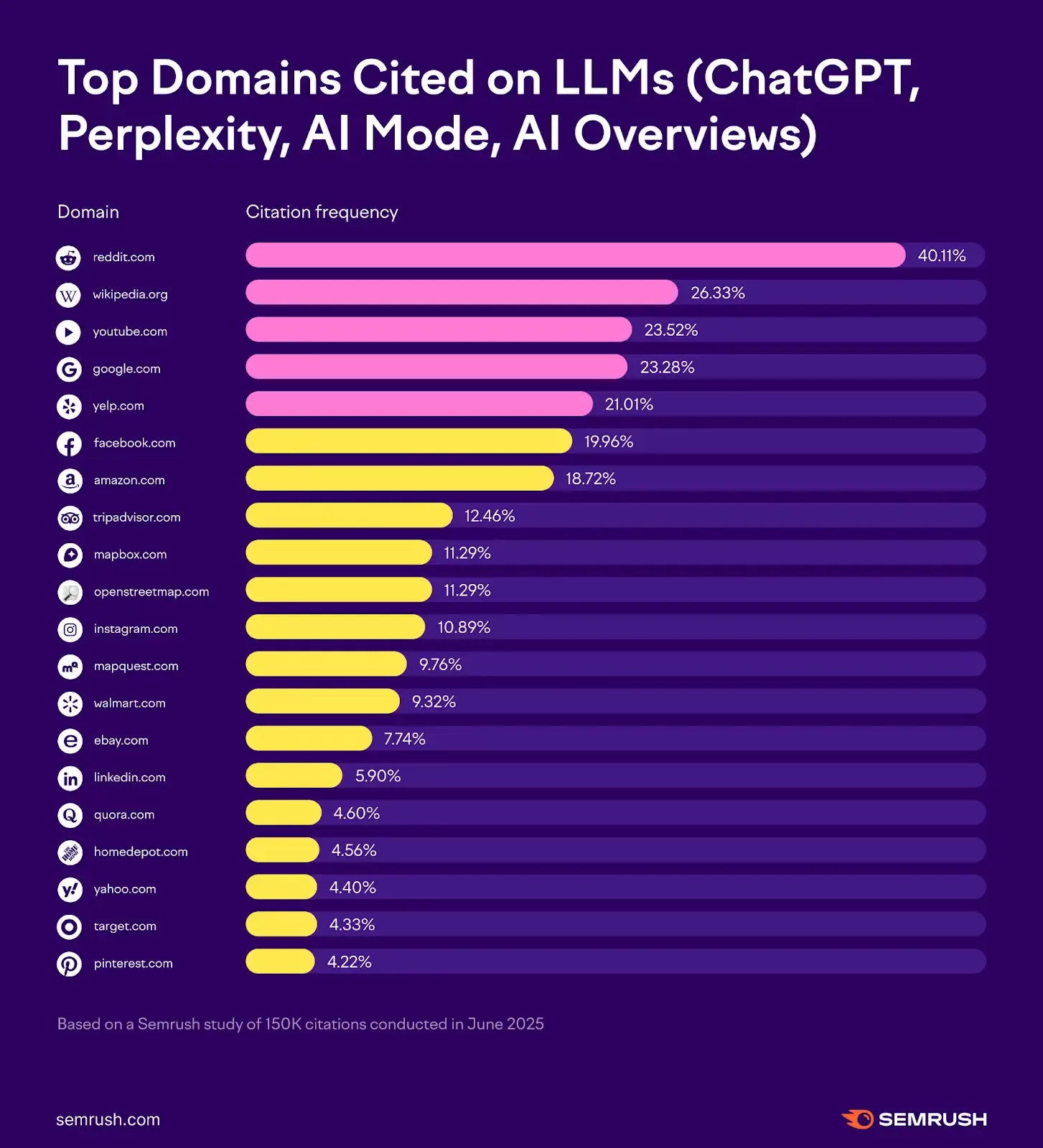
If your brand isn’t controlling the narrative, search engines and AI alike will find a website that is controlling that narrative. This can lead to a range of outcomes, from competitors owning your story to AI hallucinations, to even a random Reddit user’s negative experience ranking high enough to dissuade users from purchasing from you.
This is where Search Everywhere Optimization comes into play. Traditional SEO focused heavily on rankings within Google’s results pages. But in today’s fragmented landscape (where AI summaries, social snippets, review platforms, and knowledge graphs shape consumer perception), brands must expand their strategies.
By aligning branding, SEO, and AI-readiness, companies can safeguard trust, control their narratives, and stay competitive in an environment where information moves faster than ever before.
The New Challenge: Branding in an AI-Driven Search World
AI brings two main concerns when considering your branding across the internet:
Accuracy – Is the information AI presents about your brand correct?
Narrative control – Are users seeing what you want them to see, or what competitors or third-party sites say?
AI tools often pull information from multiple sources. This means that your brand identity within AI requires not just great SEO but a proactive strategy to influence your digital story.
How AI Sources Brand Information
Understanding where AI may be sourcing your information helps brands influence results. The sources are generally in one of two places:
Your website - From what we have seen at Workshop Digital, AI generally prioritizes official company pages.
Secondary sources - If your site lacks information, AI may pull content from elsewhere, including competitors, Reddit, forums, or other websites mentioning your brand.
While brands can’t control everything, they can influence the narrative by making sure their website is the authoritative source of truth.
What Brands Can Do: Build Trustworthy AI Signals
Some of the things your brand can do right now to ensure AI and search engines are delivering the correct content about your brand include:
- Audit where your data lives
- Check AI Overviews, People Also Ask, and ChatGPT to see how your brand appears. Identify inaccuracies and prioritize updates.
You can review this information on a variety of platforms, ranging from the SERP to tools like Semrush.
You can also test out asking the tool itself where it got the information.
- Check AI Overviews, People Also Ask, and ChatGPT to see how your brand appears. Identify inaccuracies and prioritize updates.
- Own your brand’s narrative on your website
Answer user questions gathered from the audit on specific sections of the website, such as the “About Us” and “FAQ” sections.
Include FAQs, product/service details, and company info.
Use structured data where possible to improve AI understanding.
- Monitor third-party mentions
Track sites mentioning your brand and ensure they are portraying an accurate story of your brand.
Influence wording where possible.
Gain backlinks and brand mentions by collaborating with other people and brands within your community to strengthen your brand visibility in AI and traditional SEO.
AI wants to better understand your brand and answer your users' questions.
Shifting Your Mindset for AI
Traditional SEO principles still apply: authority, clarity, and accuracy matter. The difference? AI summarizes content in ways that may reduce citations, moving away from the typical blue links and more towards answering the questions the user has in the same platform they had it in.
Mindset shift: Don’t focus on total control - focus on clarity, consistency, and visibility. If AI can find clear, accurate information on your site, your brand will naturally maintain its presence.
Brand Content Strategy for AI and SEO
When creating brand-specific content, prioritize content that answers real user questions to produce content that directly addresses the questions users are asking:
Review Google’s People Also Ask to see what users want to know.
Analyze customer service queries
Examine your internal site search logs.
This will ensure that AI tools, from Google to ChatGPT, pull your brand information accurately. Using these tactics will help your brand improve and maintain visibility in AI-generated answers.
TLDR: A Simple 3-Step Playbook for Branding in the Age of AI
Don’t fret – strong SEO often translates to a strong AI presence.
Answer user questions – provide clear answers on your website for product, service, and brand queries.
Monitor who’s answering for you – track competitors, review sites, and AI content to intervene where needed.
By following these steps, brands can improve their brand presence online with AI and strengthen their digital footprint.
Why Working Now on Optimizing Your Brand for AI Matters
AI is actively shaping user behavior today. Brands that act now can ensure accurate, consistent visibility across both traditional search engines and AI-driven tools.
Your brand’s digital presence is no longer just about ranking; it’s about the answers AI gives. By auditing data, answering user questions, and monitoring your digital footprint, your business can stay ahead in this new era of AI-driven search.
People are discovering brands in new ways every day. Get in touch for a free consultation to ensure your SEO and AI strategies keep one step ahead.